
Make leaf mould from autumn leaves
Leaf mould is fallen leaves left to rot for a year or two. It is free, it improves any soil, and it needs only a bag or a wire cage and patience.

Published
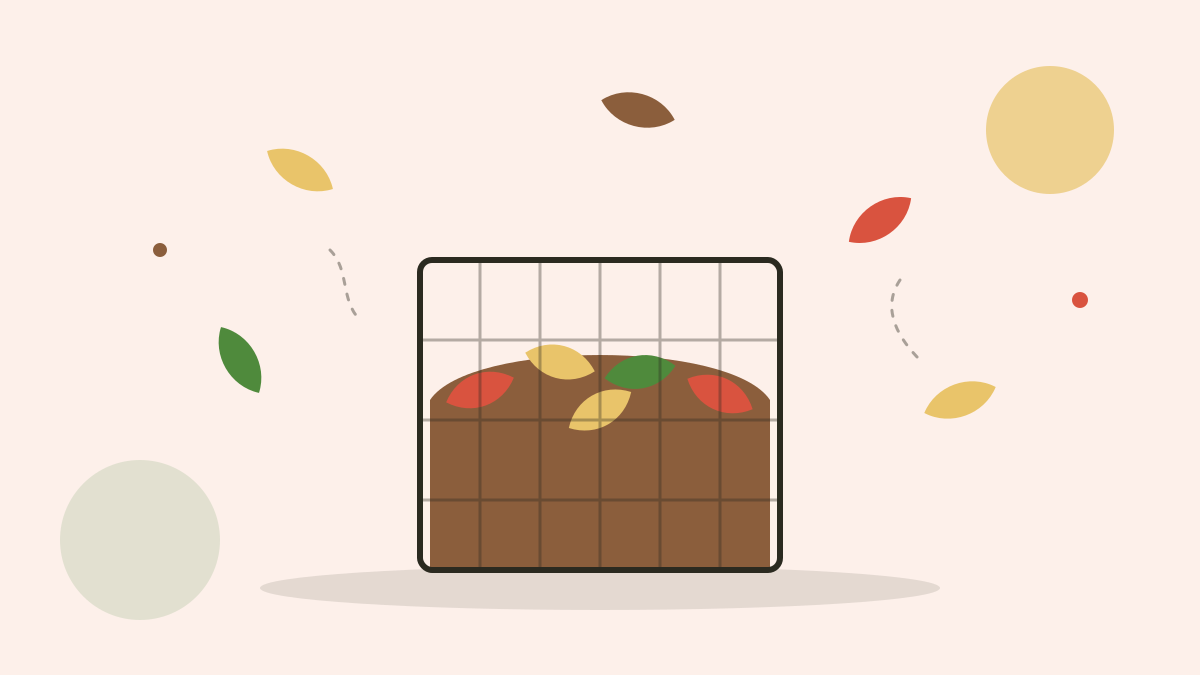
Leaf mould is what fallen leaves become when you leave them to rot slowly in a pile. It is dark, crumbly and smells of a wood after rain. It does not feed plants much, but it improves soil better than almost anything else, and it is free. I am writing this in August so you have time to get ready before the leaves fall.
Why leaf mould is worth the wait #
Leaves rot slowly, mostly through fungi rather than the bacteria in a compost heap. That is why they take longer. What you get at the end holds water like a sponge and loosens heavy soil. On my clay, a layer of it each autumn has made the beds far easier to work.
How to make leaf mould #
-
Collect the leaves
Rake up fallen leaves after rain, when they are damp. Leaves from oak, beech and fruit trees rot well. Leave out evergreen leaves, which rot very slowly.
-
Bag them or pile them
Pack damp leaves into old compost bags with a few holes punched in, or into a simple cage of wire netting on four posts.
-
Wait
Tie the bags or leave the cage in a shady corner. Check after a year: the leaves are ready to use as a mulch when they crumble.
Leaves left for a second year turn finer still, good enough to mix into seed compost.
Where I use it #
- As a mulch on no-dig beds, each autumn.
- On damp soil around thirsty crops in summer, to keep the water in.
- Under the cover crop I sow in autumn, which you can read about in my letter on green manure for winter beds.
For a short summary of how leaves break down, see the entry on leaf mould at Wikipedia.
The Allotment Letter is written by Margot Ellery on her plot in Sheffield.
About the author
Writer of The Allotment Letter
Experience Has worked the same half-plot allotment in Sheffield for eleven seasons, and volunteers on her site's committee
Margot grows vegetables on a half-sized allotment plot in Sheffield, on heavy clay soil and in a cold, wet spring. She writes The Allotment Letter every Thursday about what she did that week, what went wrong and what she would do again.