
Develop film at home: black-and-white in seven steps

Published
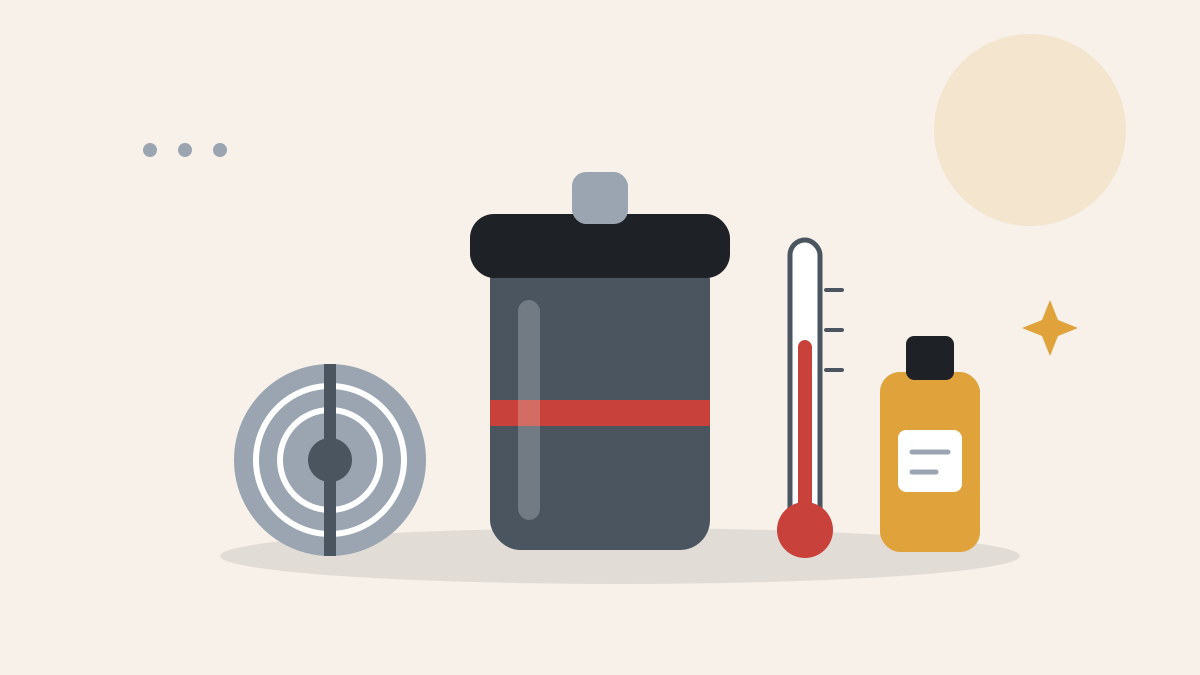
You can develop film at home without a darkroom. Black-and-white film only needs darkness for the first minute, while you load it into a light-tight tank. After that, every step happens with the lights on, at the kitchen sink. It is a cheap way to start with film, and a satisfying one.
What you need to develop film #
- A changing bag, a light-tight bag with sleeves, so you can load the film without a dark room.
- A developing tank with a reel. The film winds onto the reel, and the tank keeps light out.
- Developer, stop bath and fixer. Developer makes the picture appear, stop bath halts it, and fixer makes it permanent.
- A thermometer and a measuring jug. Temperature changes the result more than anything else.
- Gloves and clips to hang the film to dry.
Develop film in seven steps #
-
Load the film in the dark
Inside the changing bag, open the film, wind it onto the reel and close the tank. Practise first with an old roll in daylight.
-
Bring the chemicals to temperature
Mix the developer as its data sheet says and bring it to the temperature the sheet gives. Keep the other chemicals at about the same temperature.
-
Develop
Pour in the developer and start the timer. Turn the tank gently at the intervals the data sheet gives, then pour the developer out on time.
-
Stop
Pour in the stop bath, or plain water, and turn the tank for the time on its label. This halts the developer at once.
-
Fix
Pour in the fixer and turn the tank as its label says. After fixing, the film is no longer sensitive to light.
-
Wash
Wash the film in clean water, changing the water several times. Leftover fixer slowly damages negatives.
-
Dry
Hang the film in a dust-free room with a clip at each end. Let it dry fully before you cut it.
Getting the times right #
Every film and developer pair has its own time and temperature. Find them on the data sheet from the maker, such as Ilford's technical data sheets. Write them on a card and keep it by the sink.
Before you start, read darkroom safety: the chemicals still need gloves and fresh air. If you have not chosen a film yet, choosing a film stock helps.
Once you can develop film well, members can learn to push it for low light in our push processing notes.
About the author
Darkroom technician at Silverline Darkroom
Experience Looks after the club's chemistry, enlargers and safety checks
Marta mixes the chemistry, keeps the enlargers aligned and makes sure every new member knows how to work safely. She writes the guides on developing film and on handling chemicals.