How to store negatives so they last

Published
To store negatives well, keep them clean, dry, cool and in sleeves made for the job. A negative is the original of every print you will ever make from it. Stored well, it outlives you. Stored badly, it can scratch, stick together or grow mould.
Sleeves and boxes #
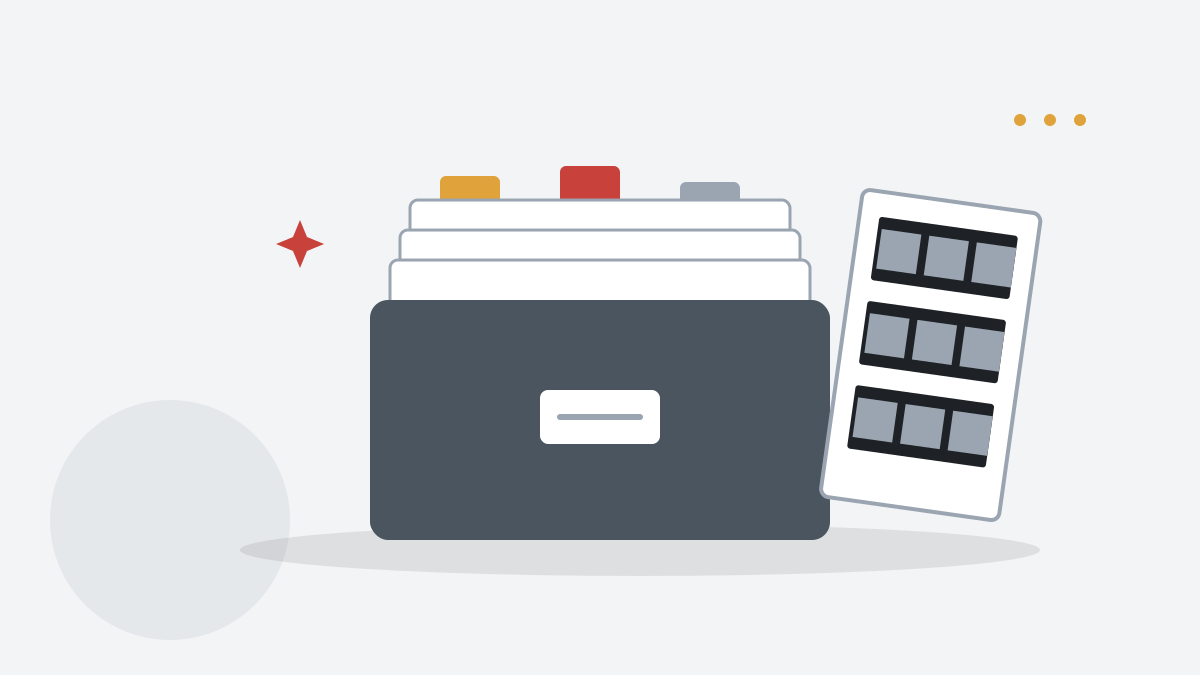
Use sleeves sold as archival or photo-safe. Cheap plastic sleeves can give off chemicals that damage film over time. Paper sleeves also work. Keep the sleeves in a ring binder or a box, standing upright so they do not press together.
Where to store negatives #
- Not in the loft or the cellar. Both swing from hot to cold and from dry to damp.
- A cupboard in a lived-in room is ideal: steady and dry.
- Away from sunlight, radiators and outside walls.
Label everything #
Write the date, the subject and the film on each sleeve. Keep the contact sheet of each roll in the binder next to its negatives, so you can find a frame without handling the film.
Scan them as a backup #
A scan of each roll protects you against loss, such as a flood or a fire. Scan the frames you care about, or the whole roll, and keep the files in two places. A scan is a copy, not a replacement: the negative still holds more detail than most scans, and you need it to make a darkroom print. So store negatives with the same care after you scan them.
Handle with care #
Fingerprints leave oils that etch the film. Hold negatives by their edges, or wear thin cotton gloves. Blow dust off with a hand blower, never with your breath.
The Library of Congress gives more advice on preserving photographs. If you are still choosing a film, our notes on choosing a film stock cover what to buy.
About the author
Founder of Silverline Darkroom
Experience Printer who has developed and printed black-and-white film for most of her working life
Joan started Silverline Darkroom so that people without a spare room could still print their own photographs. She runs the printing courses and writes the guides on printing and on looking after negatives.